Lifestyle
eyebrow
Fabulous Fungi
text-h1
Mushrooms are a natural wellness option that are delicious, readily available, and versatile.
STORY BY ANNIE B. COPPS
STORY BY ANNIE B. COPPS
Mushrooms in the kitchen—and on the medicine shelf—are nothing new. They’ve been a cornerstone of ancient Chinese cooking and healing practices and have played a role in Indian ayurvedic traditions for over 5,000 years. But in the past decade, mushrooms have been having their "moment." And for good reason.
Mushrooms offer a treasure chest of potential health benefits. Their varietals are staggering—so many flavors, shapes, sizes, and colors, from delicate little enoki to saucer-sized portobellos. They're easy to find in most grocery stores, sustainable and straightforward to grow, and endlessly adaptable in the kitchen—they can be roasted, sautéed, seared, grilled, or powdered into supplements.
They’ve also become popular as meat substitutes, bringing umami richness to burgers, meatloaf, and stews. Mushrooms mimic the savoriness of animal protein with no saturated fat, but all the flavor. As a nation, we are increasingly adopting plant-based eating, with trends like "Meatless Mondays" and the rise of flexitarian diets. Mushrooms have become a go-to for chefs and home cooks.
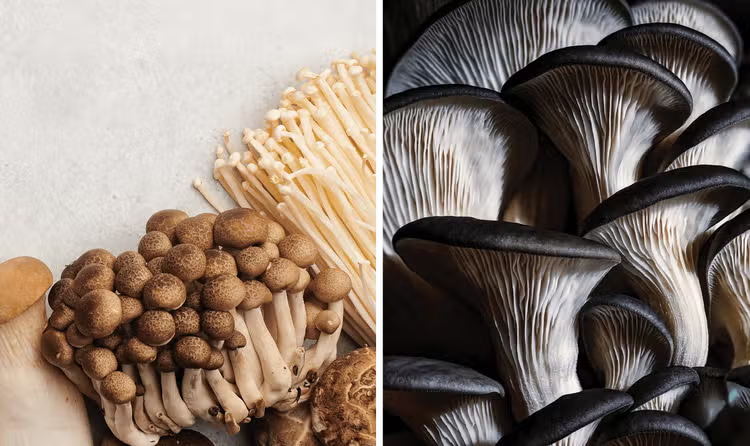
PHOTO LEFT BY: CHZU/SHUTTERSTOCK MERINKA | PHOTO RIGHT BY: THOMAS MORRIS/SHUTTERSTOCK
Also worth exploring are the properties that make them functional foods, also known as adaptogens—ingredients that do more than taste good and satisfy our appetites. These kinds of food nourish, heal, energize, and support our mental health, and mushrooms are at the top of the list of beneficial adaptogens.
Mushrooms are low in calories, high in fiber (making you feel more satisfied and aiding in digestion), rich in antioxidants (assisting in cell protection), anti-inflammatory (soothing muscle aches, including those associated with arthritis), beneficial for the immune system, and full of vitamins and minerals. Mushrooms also grow quickly, require minimal space, and often thrive on agricultural waste, making them an environmentally friendly crop.
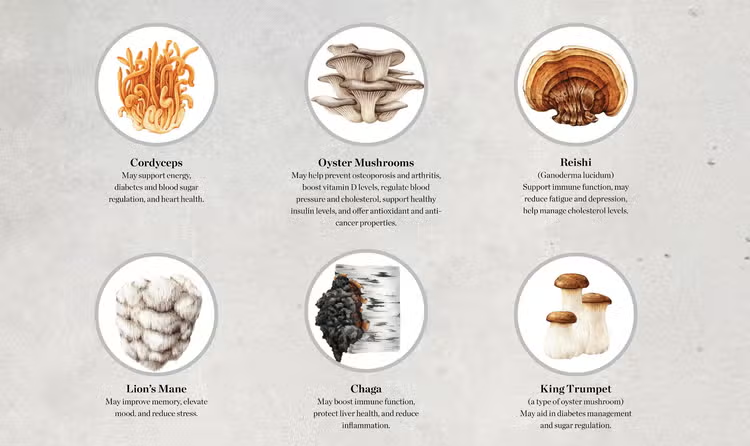
ILLUSTRATIONS BY: ANITAPOL/SHUTTERSTOCK
A look at some popular mushroom varieties and their potential health benefits.
The use of fungi of all kinds is expanding beyond the dinner plate. With their growing popularity, mushrooms are popping up (much like they do after a rainstorm) and have entered the realm of wellness elixirs, showing up in morning coffees, teas, tinctures, powders, and even skincare routines.
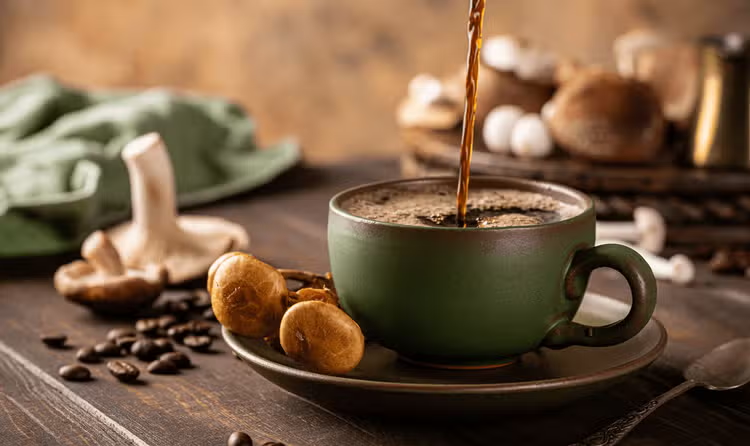
PHOTO BY: EINDHOVEN/iSTOCK
Mushroom coffee in particular is experiencing a market surge, generating more than three billion dollars in global sales with no indication of slowing down. Made from dried and ground mushrooms (most often chaga, lion’s mane, cordyceps, and reishi) and with the occasional addition of actual ground coffee beans, the beverage has a deep, earthy flavor profile.
Many drinkers of mushroom coffee report experiencing fewer caffeine “jitters,” no afternoon energy crashes, and improved sleep quality. While these are largely anecdotal reports, and scientific studies are still catching up, the empirical evidence of health and wellness benefits is intriguing and is something experts will continue to analyze and share with consumers.
NOTE: This information is provided as a suggestion only, and it is recommended that you consult with your healthcare provider for personalized wellness and nutritional guidance.
FORAGING FUN (with a forewarning)
Mushroom foraging is a rewarding way to connect with nature, but it comes with risks. The difference between a delicious dinner and a toxic mistake can be subtle. Before you hunt for fungi, consult reputable field guides, check in with local agricultural extensions and mycology societies, and learn about safe foraging locations.
GROW YOUR OWN
If foraging isn’t an accessible option, and your local market has a limited selection, you could consider growing mushrooms at home! Many companies offer kits with everything you need to cultivate your own fungi.
MyEyebrow
eyebrow
.avif?assetname=Placeholder_view_vector.svg+%289%29.png)
false
false
false
false
Mushroom Cocoa Latte
text-h2
Mushrooms are having a moment in health, beauty, and, especially in the coffee industry.
_self
_self
light-stone--dark
default
eyebrow
text-h1
PUBLISHED NOVEMBER 2025
Similar Stories
text-h2
LIFESTYLE
eyebrow
Organic Elegance
text-h3
Clean, conscious wine from Cameron Diaz and Katherine Power redefines the standard.
_self

third
FOOD
eyebrow
Q&A with Chef Emril
text-h3
Emeril Lagasse talks legacy, loyalty, and the Sub-Zero fridge he swears by.
_self
.avif?assetname=312106c12388bd5b25732bb9e8850c5edc689abc+%281%29.jpg)
third
FOOD
eyebrow
Taste the Symmetry
text-h3
A Miami sommelier outlines ideal wine pairings for a five-course meal.
_self
.avif?assetname=Placeholder_view_vector.svg+%288%29.png)
third